If my wardrobe still ran on 2022 rules, I’d know it was time for an update. Indian ethnic wear trends 2026 have shifted in a genuinely noticeable way this year less about maximalist embellishment, more about pieces I’d actually wear all week, not just for one occasion. Here’s exactly what I’m seeing trend, why it’s trending, and how I’d start working it into my own closet without buying everything at once.

Co-ord Sets Have Officially Replaced the Salwar Suit
This is the single biggest shift I’ve noticed in ethnic wear trends 2026. Co-ord sets matching two or three-piece outfits in the same fabric and print have become my go-to over the traditional salwar suit, largely because they solve the “what goes with what” problem entirely. I just wear the set. No mixing, no second-guessing whether the dupatta clashes with the kurta.
Co-ord sets now come in cotton for daily wear, georgette for evenings, and silk blends for festive occasions, which means I can carry the same silhouette from a Tuesday work day to a Diwali function, just by switching fabric and jewelry. If I were only adding one new category to my wardrobe this year, this is the one I’d prioritize.

Pastels Are Taking Over From Loud, Saturated Colors
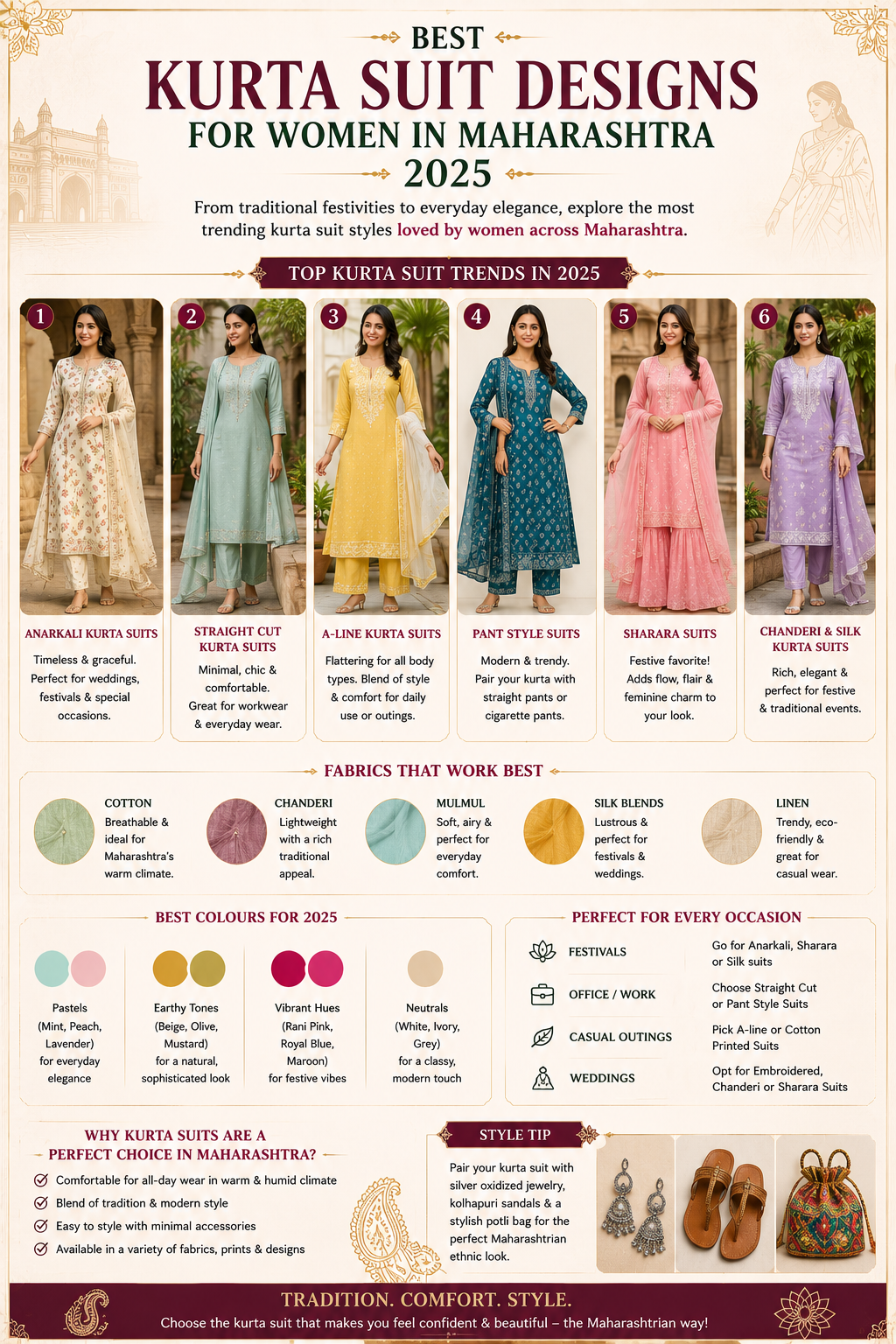
The bright, highly saturated shades that dominated ethnic fashion a couple of seasons back have quietly stepped aside for softer, more wearable tones. Blush pinks, sage greens, powder blues, and soft ivories are leading pastel ethnic wear trends this year in my own shopping too not because bold color is going away entirely, but because pastels photograph beautifully, work across more skin tones, and don’t compete with jewelry or embroidery the way brighter shades tend to.
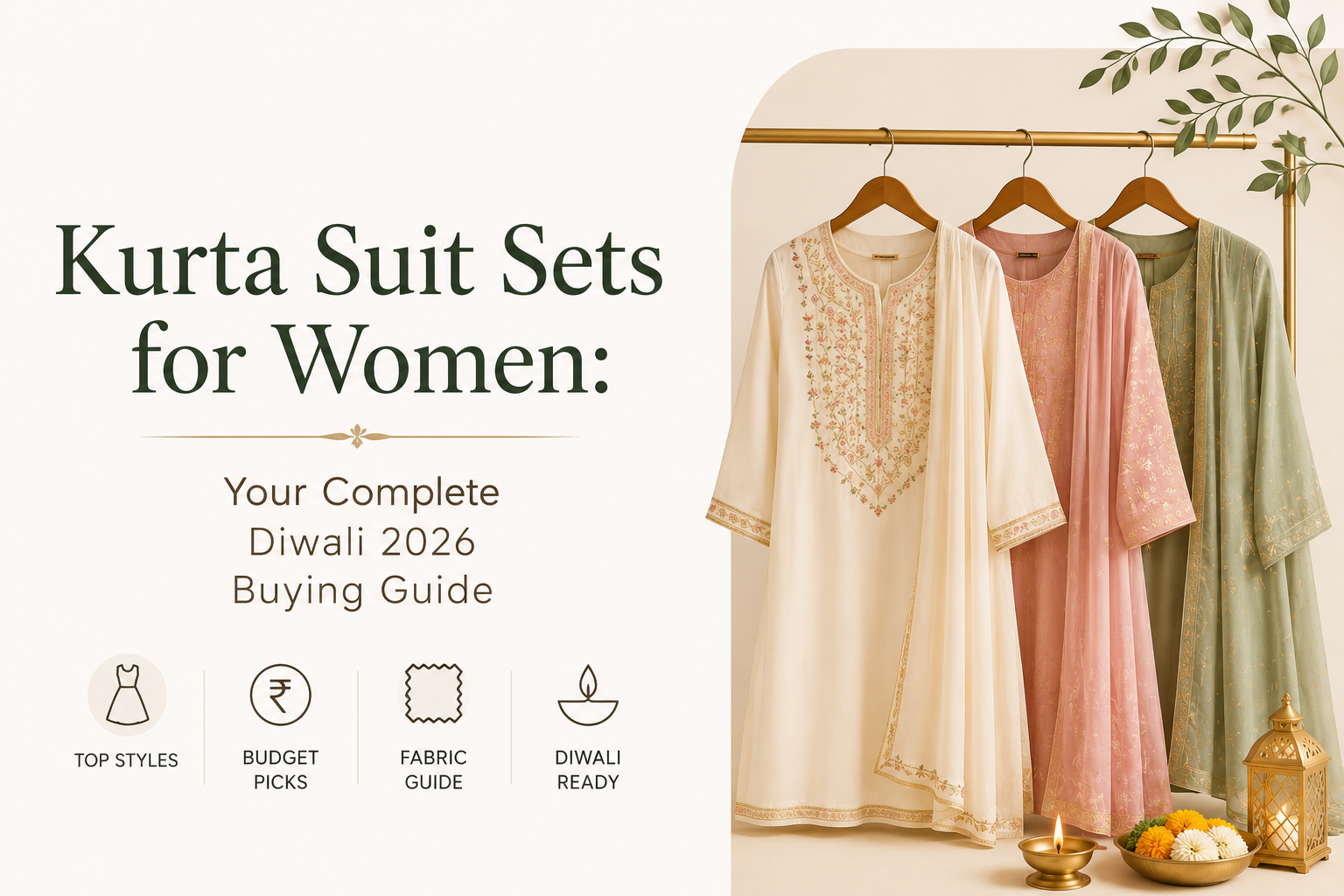
If I wanted to try this without a full wardrobe overhaul, I’d start with a single pastel kurta set it pairs well with gold or oxidized silver jewelry I probably already own.
Jacket and Cape-Style Layering Is Having a Real Moment
Structured layering pieces jackets, capes, and cape-jackets worn over a simpler base kurta or kurti are one of the standout jacket style kurta trend stories this year, and one I keep coming back to. The appeal is practical as much as aesthetic: a plain base outfit gets dramatically dressed up by the outer layer, and I can wear the base piece on its own later for a completely different, low-key look. It’s essentially two outfits for the price of one.
This works especially well if I already own a few simple, solid-color kurta sets a well-chosen jacket or cape is often a smaller investment than buying an entirely new heavily embellished outfit.

Ready-to-Wear Sarees Are Making Sarees Approachable Again
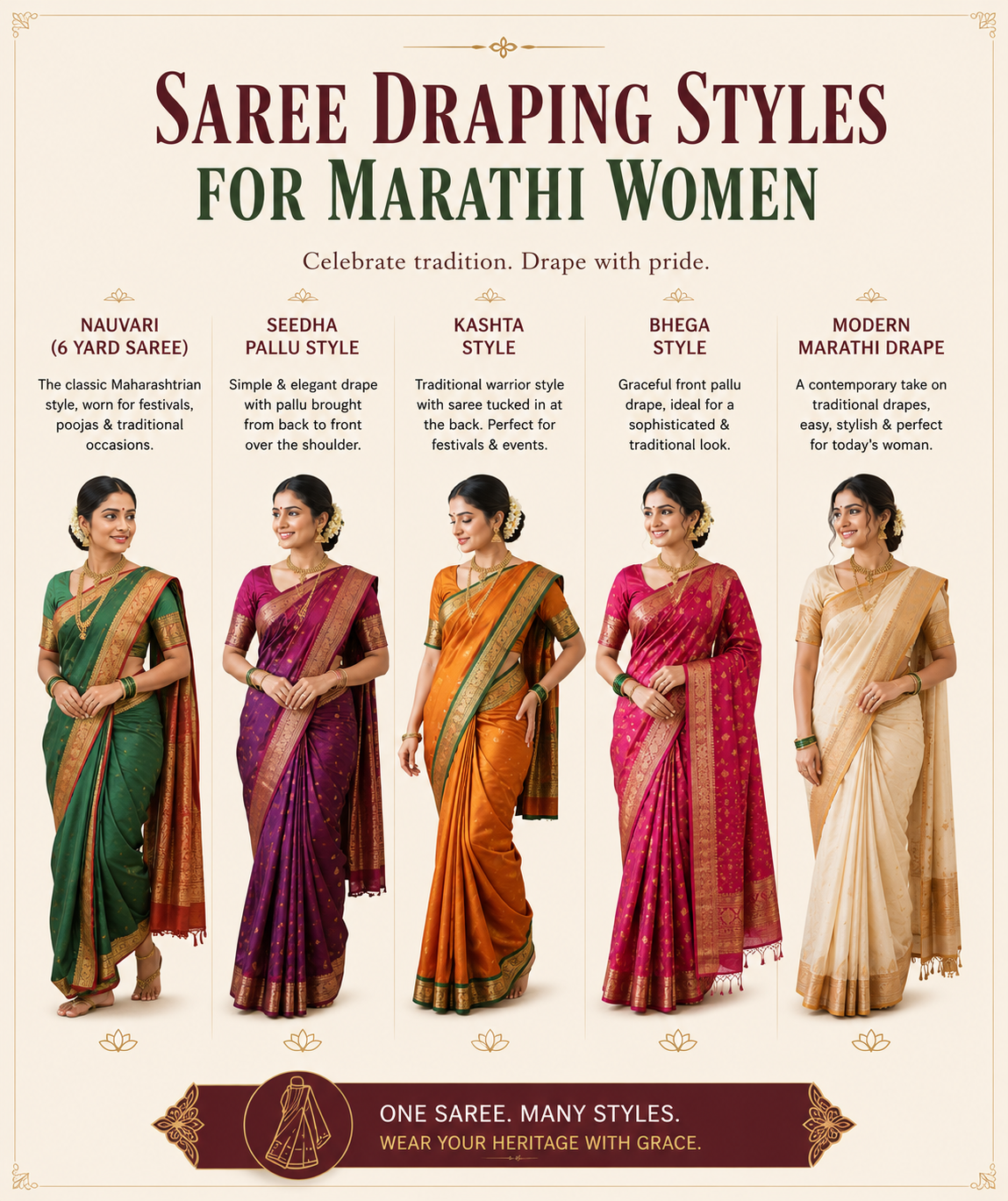
If I’ve ever avoided wearing a saree because draping felt like a skill I never quite mastered, this trend is the one I’d point myself toward. Ready to wear sarees pre-stitched or pre-draped with zippers or hooks built in — are gaining serious ground because they keep the traditional silhouette without the time or skill draping usually demands. For me and a lot of younger women, this has made sarees feel accessible again rather than reserved for special occasions with someone else’s help.

Fusion and Indo-Western Pieces Are the New Normal, Not the Exception
Indo western outfits for women have moved from “experimental” to genuinely mainstream in my own everyday choices. A short kurti with jeans, a saree with a fitted crop blouse and sneakers, a lehenga skirt paired with a plain fitted top these combinations aren’t fashion-week statements for me anymore, they’re just how I actually get dressed most days. If your city is anywhere near this shift too, expect to see a lot more mixing of traditional pieces with distinctly modern styling this year.

Cotton, Linen, and Khadi Are Leading Over Synthetic Fabrics
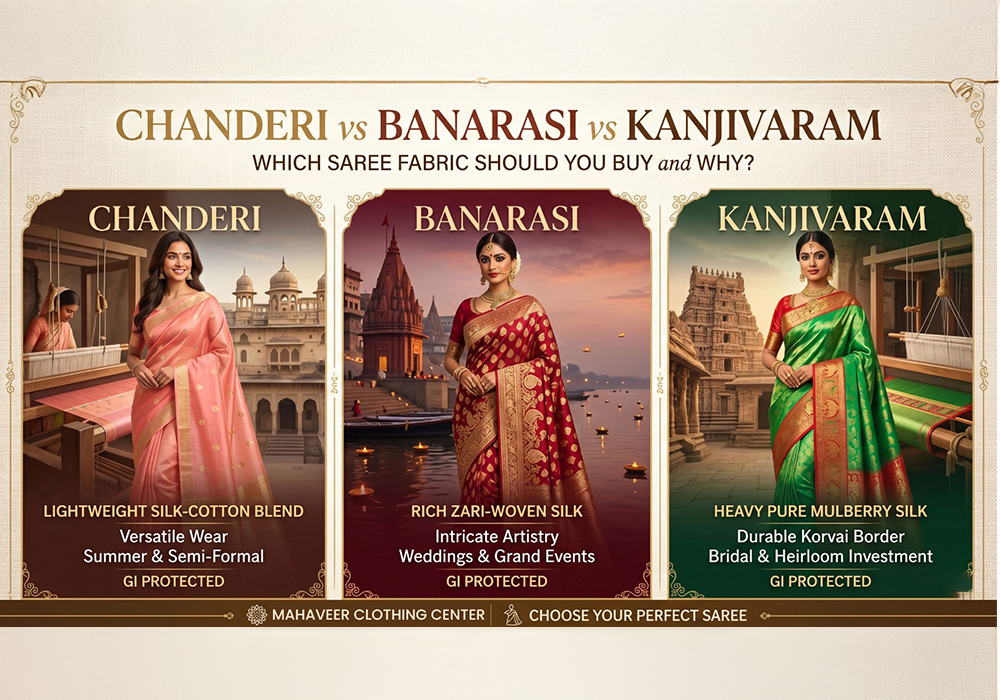
Cotton ethnic wear trends and the broader move toward natural fabric ethnic wear cotton, linen, khadi, and chanderi reflect something bigger than just a style preference for me. Climate-conscious buying and simple comfort are both driving why I’ve shifted here, and cotton kurta sets and suit sets now make up a growing share of what I actually buy, precisely because they’re breathable, washable, and look put-together without much effort. If sustainability factors into how you shop too, this is the trend that aligns most directly with that.
Minimalist Embroidery Is Replacing Heavy Embellishment
The maximalist look heavy zari, dense sequin work, volume stacked on volume is giving way to something more restrained, and honestly, something I prefer wearing. Clean silhouettes with visible, considered craft (a neat thread-work border, a subtle motif) are taking over from outfits that try to do everything at once. This has been good news for me, since I’ve often felt priced out of heavily embellished pieces or just prefer something I can actually move in comfortably.
Sharara Sets and Crop-Top Suits Are Still Going Strong
Sharara sets 2026 haven’t lost momentum for me if anything, I’ve noticed them evolve. Shararas are increasingly paired with crop tops, peplum tops, and asymmetric cuts rather than the traditional straight kameez, which gives the whole silhouette a more contemporary shape I gravitate toward. Crop top suit sets more broadly are having a moment too, especially among younger buyers like me who want the drama of a festive outfit without the bulk of a full-length kurta.

Kaftan-Style Kurtas Are Growing Fast
Loose, full-length, effortless kaftan kurta sets are one of the quieter but fastest-growing silhouettes I’ve added to my own rotation this year. They’re especially good for warmer months and for anyone who wants comfort without sacrificing a polished, put-together look. I pair mine with minimal jewelry and get an outfit that works for everything from a family lunch to a casual evening out.

Ethnic Wear for Working Women Is Getting Smarter
Layered pieces a kurti with a skirt, or worn over jeans are making a strategic comeback specifically because they photograph and function well in professional settings, and this is exactly what I’ve leaned into for work. Ethnic wear for working women in 2026 relies heavily on this layering approach, since it offers movement and comfort without giving up a polished, office-appropriate look. If my wardrobe needs to do double duty between the office and weekend festivities, this is the direction I keep leaning into.

My Quick Trend Checklist for 2026
- Want one versatile piece → A cotton or silk co-ord set
- Want to try a new color without commitment → Start with a single pastel kurta set
- Want drama without buying a whole new outfit → A jacket or cape layered over existing kurta sets
- Want a saree without the draping stress → Look for a ready-to-wear/pre-draped option
- Want comfort for warm months → A kaftan-style kurta set
- Shopping consciously → Prioritize cotton, linen, or khadi over synthetic blends
If you’re building out your festive wardrobe around any of this, I’ve broken down cotton vs. silk choices and event-by-event styling in more detail in my kurta sets guide for women.
FAQs
What is the biggest ethnic wear trend for women in 2026?
Co-ord sets have overtaken the traditional salwar suit as the default ethnic choice for women under 40. Their appeal is largely practical — one coordinated piece, no styling effort, and they work across cotton, georgette, and silk depending on the occasion.
Are pastel colors trending in ethnic wear this year?
Yes, pastels like blush pink, sage green, and powder blue are replacing louder, more saturated shades. They’re considered more versatile across skin tones and pair well with most jewelry styles.
Is heavy embroidery still in style for 2026?
Not as much. The trend has shifted toward minimalist, considered detailing — a clean thread-work border or subtle motif — rather than dense embellishment stacked across an entire outfit.
What fabrics are trending in Indian ethnic wear right now?
Natural fabrics — cotton, linen, khadi, and chanderi — are leading over synthetics, driven by both comfort and growing interest in sustainable buying.
Are sarees still popular, or have they been replaced by other styles?
Sarees remain popular, but ready-to-wear and pre-draped versions are what’s driving renewed interest, especially among younger women who found traditional draping intimidating or time-consuming.
What’s a good starting point if I want to update my ethnic wardrobe for 2026?
A cotton co-ord set is the easiest, most versatile entry point. From there, a jacket or cape to layer over existing kurtas, and one pastel-toned piece, will cover most of this year’s key trends without a full wardrobe overhaul.
Trying to figure out which trend actually suits your style? Drop a comment with your go-to occasions and I’ll help you narrow it down.